Rajasthan is a land where each city tells you a different story. From the royal palaces of Jaipur and the golden sand dunes of Jaisalmer to the blue streets of Jodhpur and the tranquil lakes of Udaipur, every destination has its own charm. But to truly enjoy everything the state has to offer, choosing the best time to visit Rajasthan is just as important as deciding which destinations to visit.
Rajasthan’s weather changes significantly throughout the year, influencing everything from sightseeing and wildlife safaris to desert adventures and cultural festivals. While some travelers like to explore historic forts under pleasant winter skies, others choose a quieter time of the year when popular attractions are less crowded, and accommodation costs are much lower.
So, when should you plan your trip to Rajasthan?
The best time to visit Rajasthan depends on the kind of experience you’re looking for. If you’re eager to experience the rich culture of the state, plan your trip around its vibrant festivals. If comfortable weather or sightseeing is your priority, winter is an ideal season for you. The off-season has its own hidden benefits if you prefer peaceful travel with fewer tourists.
In this blog post, we’ll guide you through Rajasthan’s seasons, showcasing the best months for different travel styles, and help you decide when to experience the royal state of Rajasthan at its finest.
Rajasthan Weather at a Glance
The climate of Rajasthan varies from one region to another, as it’s India’s largest state by land area and is situated in the western part of the country. Desert destinations like Bikaner and Jaisalmer experience extreme temperatures compared to hill stations such as Mount Abu. At the same time, cities like Udaipur, Jodhpur, and Jaipur often follow the state’s typical seasonal pattern.
Here’s a quick overview:
| Season | Months | Weather | Best for |
| Winter | October to March | Cool and pleasant | Festivals, desert camping, and sightseeing |
| Summer | April to June | Very hot and dry | Budget travel and fewer crowds |
| Monsoon | July to September | Light to moderate rainfall | Peaceful vacations with landscape photography |
Although Rajasthan welcomes tourists year-round, each season offers a different experience. Knowing what to expect during different seasons can help you plan your trip more effectively based on your interests and budget.
Winter in Rajasthan (October to March): The Best Season for Sightseeing and Desert Safaris
If you’re thinking about the best season to visit Rajasthan, few seasons match the state’s winter for sightseeing. As the intense summer heat gives way to cooler temperatures, the state enjoys cool mornings, pleasant afternoons, and refreshing evenings, making sightseeing and desert adventures far more enjoyable.
The daytime temperature of the state generally ranges from 10°C to 30°C, depending on the month and the destination. Nights can get quite chilly, especially in the desert regions like Bikaner and Jaisalmer, so packing a few warm clothes is a good idea.
A pleasant climate makes it easy to spend long hours exploring the state’s outdoor attractions, whether you’re enjoying a camel safari across the Thar desert, taking a boat ride on Lake Pichola in Udaipur, exploring Jaipur’s royal forts, or wandering through the busy markets in Jodhpur. Every outdoor experience becomes much more enjoyable during winter.
Why Winter is the Best Time to Visit Rajasthan
There are many reasons why tourists choose Rajasthan during the winter season. Let’s look at the main reasons.
Experience The Thar Desert at Its Best
A trip to Rajasthan without experiencing the Thar Desert feels incomplete.
Winters offer the best conditions for desert safaris, including camel rides, jeep rides, cultural performances, and overnight camping under clear, starry skies. Comfortable evenings make traditional folk performances and outdoor dining even more enjoyable. Many travelers consider visiting the state between October and March to experience desert life at its best.
Pleasant Weather Makes Sightseeing More Enjoyable
Most of Rajasthan’s top attractions are spread across its vibrant cities and magnificent heritage sites; therefore, sightseeing involves plenty of walking. Whether you’re exploring grand palaces, ancient temples, majestic forts, or bustling bazaars, you’ll spend more time outdoors.
That’s why winter is the ideal season for travelers to visit the state. The pleasant weather makes it comfortable to explore throughout the day, letting you enjoy the state’s iconic landmarks without worrying about the intense heat.
Better Wildlife Viewing Opportunities
Thanks to cooler temperatures, winter offers ideal conditions to explore wildlife sanctuaries and national parks. Favorable weather conditions encourage animals to remain active during the day, making wildlife sightings more frequent.
The season is equally rewarding for birdwatchers, as thousands of migratory birds travel thousands of kilometers to arrive at Rajasthan’s wetlands and bird sanctuaries. Whether you’re hoping to observe migratory birds or spot native wildlife, October to March is the best time to experience the state’s rich biodiversity.
Experience Rajasthan’s Vibrant Winter Festivals
Along with pleasant weather, winter also brings Rajasthan’s biggest cultural celebrations. During these months, cities across the state host vibrant fairs, camel shows, traditional dance events, folk music performances, and colorful cultural celebrations that offer travelers a deeper connection with local traditions.
Festivals, cuisine, handicrafts, and centuries-old customs allow you to experience the state’s living heritage rather than simply visiting monuments.
We’ll explore the major festivals of Rajasthan later in this guide.
Best Places to Visit in Rajasthan During Winter
While every destination in the state is enjoyable during the winter, some places truly stand out.
Jaipur
Known worldwide as the Pink City, Jaipur is filled with architectural wonders, vibrant markets, ancient temples, and royal history. The cooler months make it easy to explore attractions like Hawa Mahal, Jantar Mantar, Amber Fort, and City Palace.
Evening shopping at Bapu Bazaar and Johari Bazaar is also enjoyable during the cooler months.
Udaipur
Udaipur, often called the City of Lakes, becomes even more beautiful during winter. The pleasant weather is favorable for exploring the City Palace, a boat ride on Lake Pichola, walking through the old city, or enjoying outdoor dining on pleasant evenings.
Jodhpur
Cooler months enhance the experience of wandering through the blue streets of Jodhpur, which surrounds the Mehrangarh Fort. The pleasant weather allows you to enjoy zip-lining, heritage walks, and market visits.
Jaisalmer
Many travelers prefer visiting Jaisalmer in winter, as the city’s golden sandstone architecture looks spectacular under the soft winter sun, and the dunes are the highlight of the trip, offering unforgettable camel safaris, luxury desert camps, and traditional evenings.
Travel Tips for Visiting Rajasthan in Winter
As the peak tourist season, winter attracts visitors from across India and around the world, making Rajasthan much more crowded than usual.
This means:
- Heritage stays and hotels are sold out quickly.
- Travel expenses may be higher during holidays.
- Famous tourist attractions may be crowded, especially during Diwali, Christmas, New Year, and long weekends.
- Advanced booking for accommodations and desert camps several weeks before is highly recommended.
You’ll pay a bit more, but often the pleasant weather and lively atmosphere are worth the added cost.
While winter attracts most visitors, summer offers excellent value for travelers looking to save money.
Summer Season (April to June): Best for Budget Travelers and Fewer Crowds
From April to June, Rajasthan experiences intense summer heat. Between these months, daytime temperatures climb above 40°C in many cities, especially in desert destinations like Bikaner, Jodhpur, and Jaisalmer. Although it’s difficult to enjoy outdoor activities in the intense afternoon heat, this season offers several other benefits for visitors who don’t mind the heat.
Smaller crowds are one of the biggest advantages of visiting the state during the summer. Popular attractions, heritage sites, and museums are often less crowded, letting you explore at your own pace. Attractive discounts on hotels and resorts make it one of the most affordable times to visit Rajasthan.
Why Visit Rajasthan During Summer?
Despite the scorching heat, summer has its own advantages; it offers ample rewards for tourists who plan their trip carefully.
Affordable Travel Expenses
Since summer is the off-season for Rajasthan tourism, many hotels, heritage properties, and tour operators offer significant discounts. This makes summer a suitable time for budget-conscious individuals to experience the state’s rich culture and iconic attractions at a much lower cost than during winter.
Peaceful Sightseeing
With fewer crowds around, you can enjoy a more relaxed experience at several famous attractions in the state. You’ll be spending much less time waiting in queues, with more opportunities to admire the state’s remarkable architecture and rich history without the usual crowds.
Perfect Time to Visit Mount Abu
Rajasthan’s only hill station, Mount Abu, offers you a refreshing alternative if you’re looking to escape the intense heat. Its scenic viewpoints, cooler climate, calm lakes, and lush surroundings offer a welcome break from the high temperatures experienced across Rajasthan.
Travel Tips for Visiting Rajasthan in Summer
When planning a summer Rajasthan trip, scheduling outdoor activities in the early morning or after sunset would be more comfortable. Wear lightweight cotton clothing, apply sunscreen regularly, carry plenty of water, and avoid spending hours outdoors in the afternoon.
While summer isn’t the ideal season for everyone, it offers excellent value for budget-conscious travelers seeking fewer crowds and discounted accommodation.
Monsoon Season (July to September): Best for Scenic Beauty and Peaceful Getaways
Unlike other parts of India, Rajasthan receives comparatively moderate precipitation during the monsoon season. While showers vary from place to place, the rain transforms many landscapes, adding a refreshing touch to the state’s rugged terrain.
The Aravalli range turns lush and green, lakes fill with fresh water, and gardens come alive with fresh blooms. Cities like Mount Abu, Bundi, and Udaipur look especially beautiful during this season, making it an appealing time for nature lovers and photographers.
Reasons to Visit Rajasthan During the Monsoon
While occasional precipitation may disrupt some outdoor activities, the monsoon season offers visitors a quieter, more relaxed travel experience with fewer crowds.
Fewer Tourists
Monsoon in the state falls outside the peak travel season, so many popular attractions remain relatively less crowded. You’ll often enjoy a more peaceful atmosphere and better accommodations at major tourist sites.
Scenic Landscapes
The monsoon breathes new life into the state’s otherwise dry scenery. Lakes, hills, and palace gardens turn more colorful, creating an ideal, picturesque setting for photographers and nature lovers.
Pleasant Weather in Several Cities
Although humidity gradually increases, the temperature remains lower than in summer, making sightseeing relaxed and comfortable. Lakeside views and evening walks also gain their charm with light rain showers.
Travel Tips for Visiting Rajasthan in Monsoon
Heavy rainfall is uncommon across most of the state, but occasional showers can affect outdoor activities and road travel. It is highly recommended to carry an umbrella or a rain jacket, and check the weather forecast before planning long day trips.
Rajasthan’s Major Festivals Worth Planning Your Trip Around
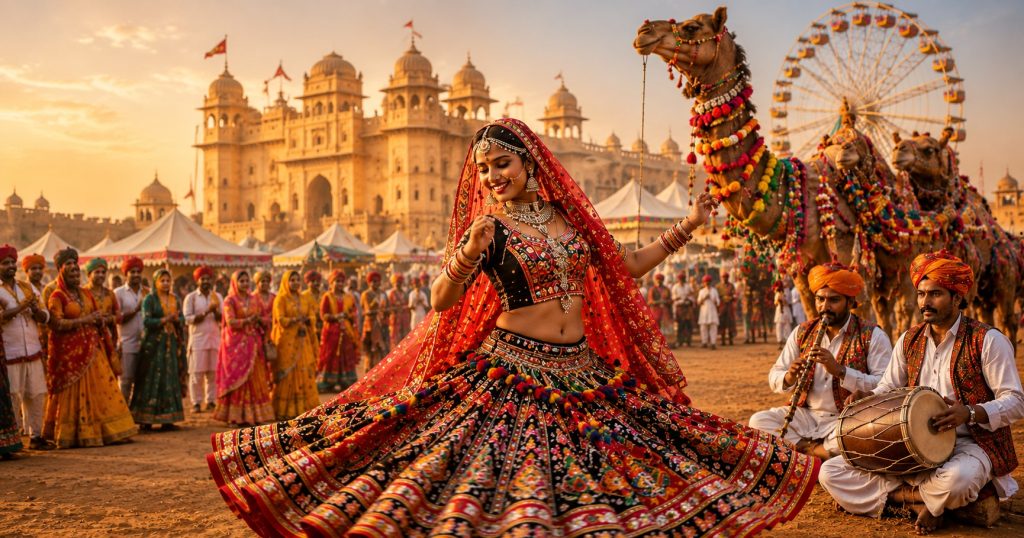
Rajasthan’s vibrant festivals are one of the best ways to experience its rich cultural heritage. Throughout the year, these festivals bring the state’s rich culture to life through traditional folk dances, folk music, colorful processions, local cuisine, handicrafts, and centuries-old customs.
Here are the most popular festivals worth planning your trip around, drawing travelers from across India and around the world.
Jaisalmer Desert Festival (February)
Held amidst the golden dunes of the Thar Desert, this three-day event features turban-tying competitions, puppet shows, folk music and dance performances, camel races, and a variety of cultural events celebrating the state’s rich desert heritage.
Mewar Festival (March-April)
Celebrated primarily in Udaipur, the Mewar festival welcomes the arrival of spring with vibrant celebrations across the city.
Traditional folk performances, cultural programs, beautifully decorated processions, and festivities around the city’s scenic lakes create a lively atmosphere, giving travelers a wonderful opportunity to experience the region’s rich cultural heritage.
Teej Festival (July-August)
The Teej festival is celebrated with great passion in Jaipur. Decorated processions, traditional attire, folk music and dance performances, and bustling markets make it one of the city’s most culturally and colorfully celebrated events.
Pushkar Camel Fair (October-November)
Held in the vibrant town of Pushkar, this globally recognized fair merges livestock trading with cultural performances, folk music, camel racing, handicraft markets, and religious ceremonies. It is one of the state’s most iconic events and offers a unique opportunity to experience rural life and local traditions.
Best Time to Visit Rajasthan Based on Your Travel Style
Different travelers have different goals, so the ideal time to plan a trip to the state depends on the experience you’re looking for.
| If you want to | Best time to visit |
| Enjoy mild weather | October to March |
| Explore forts and palaces | October to March |
| Experience local festivals | October to March |
| Go on a desert safari | November to February |
| Visit on a budget | April to June |
| Avoid crowds | July to September |
| Enjoy scenic landscapes | July to September |
| Visit Mount Abu | April to September |
By visiting during the season that best suits your travel style, you can enjoy the best of Rajasthan while staying within your preferred budget and comfort preferences.
Tips for Planning Your Rajasthan Trip
Regardless of your visit, a little planning can help you make the most of your trip.
- Advanced booking during winter: As winter is the state’s peak tourism season, visitors are advised to make advanced bookings for hotels, heritage stays, and desert camps. During major festivals, long weekends, and the New Year, bookings fill up quickly.
- Pack according to the season: Light jackets or a layer of warm clothes work well for winter, while summer afternoons call for light cotton clothing. During the monsoon season, carrying a rain jacket or an umbrella is ideal.
- Start sightseeing early in summer: Exploring popular attractions early in the morning or late afternoon helps you avoid the intense heat of a summer day.
- Stay hydrated: Rajasthan’s climate remains dry most of the time throughout the year, so carrying a reusable water bottle is always a smart choice.
- Pack desert-friendly shoes: Carry a pair of comfortable, closed-toe shoes for desert activities such as dune buggies, camel rides, and desert safaris. Avoid open sandals or heels, as they can be uncomfortable and easily filled with sand.
- Plan your trip by region: Different destinations, including lake cities, hill stations, and deserts, offer different experiences, so choose places wisely that best suit the season of your visit.
Conclusion: When Is the Best Time to Visit Rajasthan?
The best time to visit Rajasthan ultimately depends on the kind of experience you’re aiming for. If cool temperatures and sightseeing are your priority, winter is the ideal season. Those who want to experience the state’s vibrant culture should schedule a trip around its colorful festivals. And if you prefer a smaller crowd and better travel deals, the summer and monsoon seasons offer their own unique benefits.
Regardless of when you visit, Rajasthan always has something to offer: magnificent forts and royal palaces, peaceful lakes and golden sand dunes, colorful bazaars, and warm cultural hospitality. A well-planned trip that best suits your travel style can surely leave you with unforgettable memories from the Land of Kings.